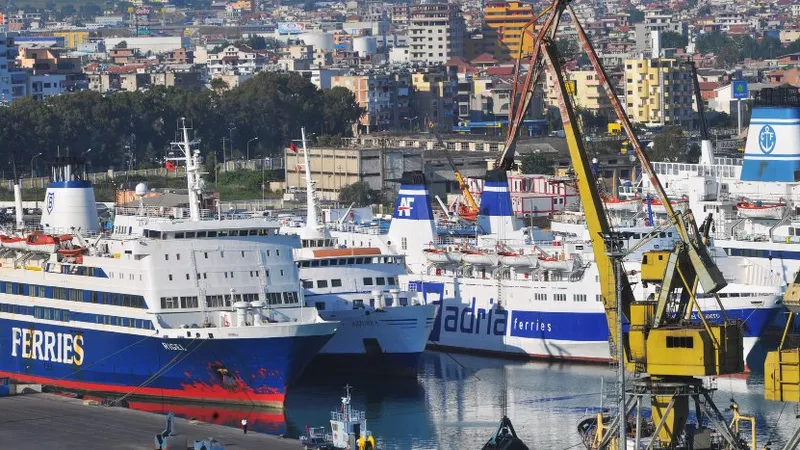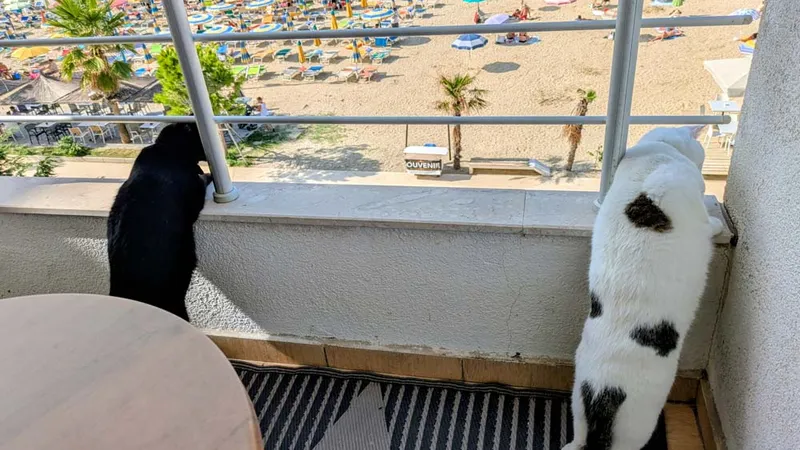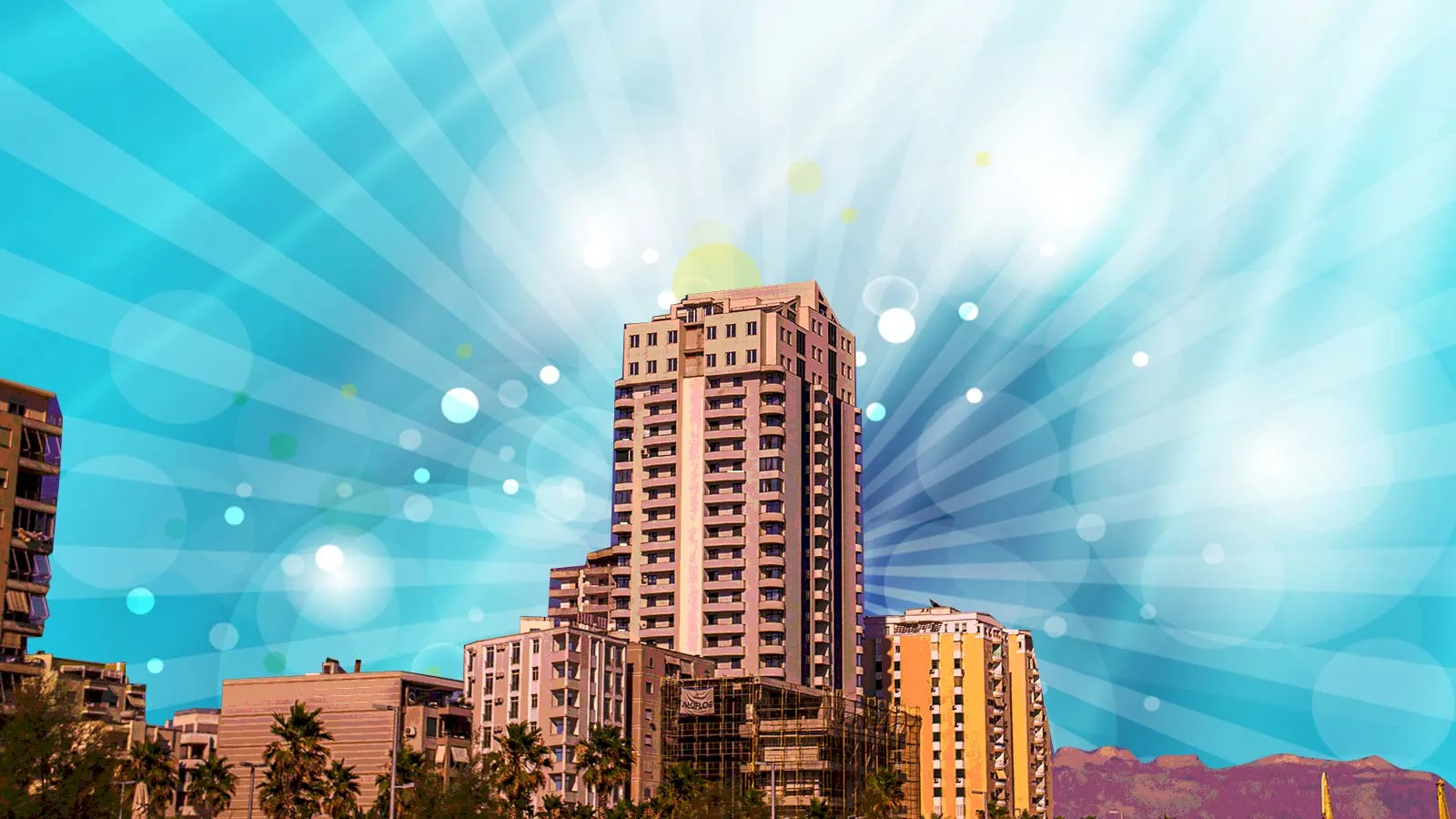

In recent months, many expats living in Durrës have started to feel the rising cost of daily life. Rents are climbing steadily, and so are essential expenses such as food, utilities, transportation, and basic services. The areas most affected are the city center, Vollga, and Currila, which have now become accessible mainly to those with higher incomes. Meanwhile, in the Plazh (beach) area and Golem, the growing presence of tourists and expats has pushed real estate agencies to increase prices, even though the actual quality of the apartments on offer has barely changed.
The reasons behind this rise aren’t exactly mysterious. In developing economies, tax increases often arrive unnoticed, even when announced, but their effects ripple through the economy in the form of higher market prices. In Albania, the introduction or increase of taxes such as the Airbnb tax, property taxes on second and third homes, higher local taxes, rising electricity prices for businesses, and higher fuel excise duties have quietly but firmly raised the operating costs across nearly every sector.
The most decisive factor, however, was the government-mandated wage increase, introduced at a time when annual statistics showed a decline in local production, exports, and consumer spending. Unlike larger economies, where wage growth typically follows productivity growth, in Albania, this policy shifted the burden onto businesses. The result was predictable: higher costs and lower revenue for many operators, which affects not only local residents but also expats who once viewed Albania, and Durrës in particular, as an affordable and easy place to live.
Unsurprisingly, part of the international community in Durrës has begun to move away. The city no longer feels like the budget-friendly haven it used to be. Yet paradoxically, this is precisely the right moment to move here.
Durrës is no longer a “cheap coastal town”; it is becoming a city in transformation. Technology is advancing every year, the climate and agricultural potential are promising, and the city’s geographic position keeps attracting international interest. The local economy is facing a serious shortage of labor, and wages are rising quickly toward European levels across almost every sector.
What the local market lacks is not people, but ideas. In many streets, one can see the same familiar pattern repeated: several identical bars, several identical bakeries, multiple travel or real estate agencies offering the same services, and restaurants with nearly clone-like menus. The absence of creative differentiation has held back growth for years.
This is why the ideas, experience, and entrepreneurial mindset of expats matter now more than ever. Durrës offers a business environment that is far less cutthroat than European, American, or Asian markets. Costs are lower, competition is softer, and customers are increasingly open to new products and modern services. Even an average employee from a medium-sized company in a developed country often brings skills that place them at a high level in the Albanian market.
As the old saying goes, fortune favors the bold, and in the case of Durrës, boldness could simply mean bringing a business idea that doesn’t copy the standard local model. With that alone, the city has the potential to become one of the most rewarding places to build a new life, work, or launch a long-term project. For expats with vision, this city remains a rare and promising opportunity.